Chasing Aurora and Solitude in the Norwegian Arctic
How three quiet weeks in a coastal rorbu redefined our understanding of slow travel and high-latitude peace.
The ferry departure from Bodø leaves the mainland behind in a veil of sleet and slate-colored twilight. By the time the jagged granite toothline of the Lofoten Wall emerges on the horizon, the everyday noise of modern life evaporates into the howling North Atlantic wind.
The Geometry of Coastal Shelters
Here in Reine and Hamnøy, fishermen’s rorbu cabins stand upon wooden stilts driven directly into granite shelves. Their crimson and ochre facades were traditionally painted with cod liver oil pigments, resilient against winter storms. Inside, the architecture offers profound solace: oiled spruce walls, cast-iron hearths, and vast windows framing churning tides.
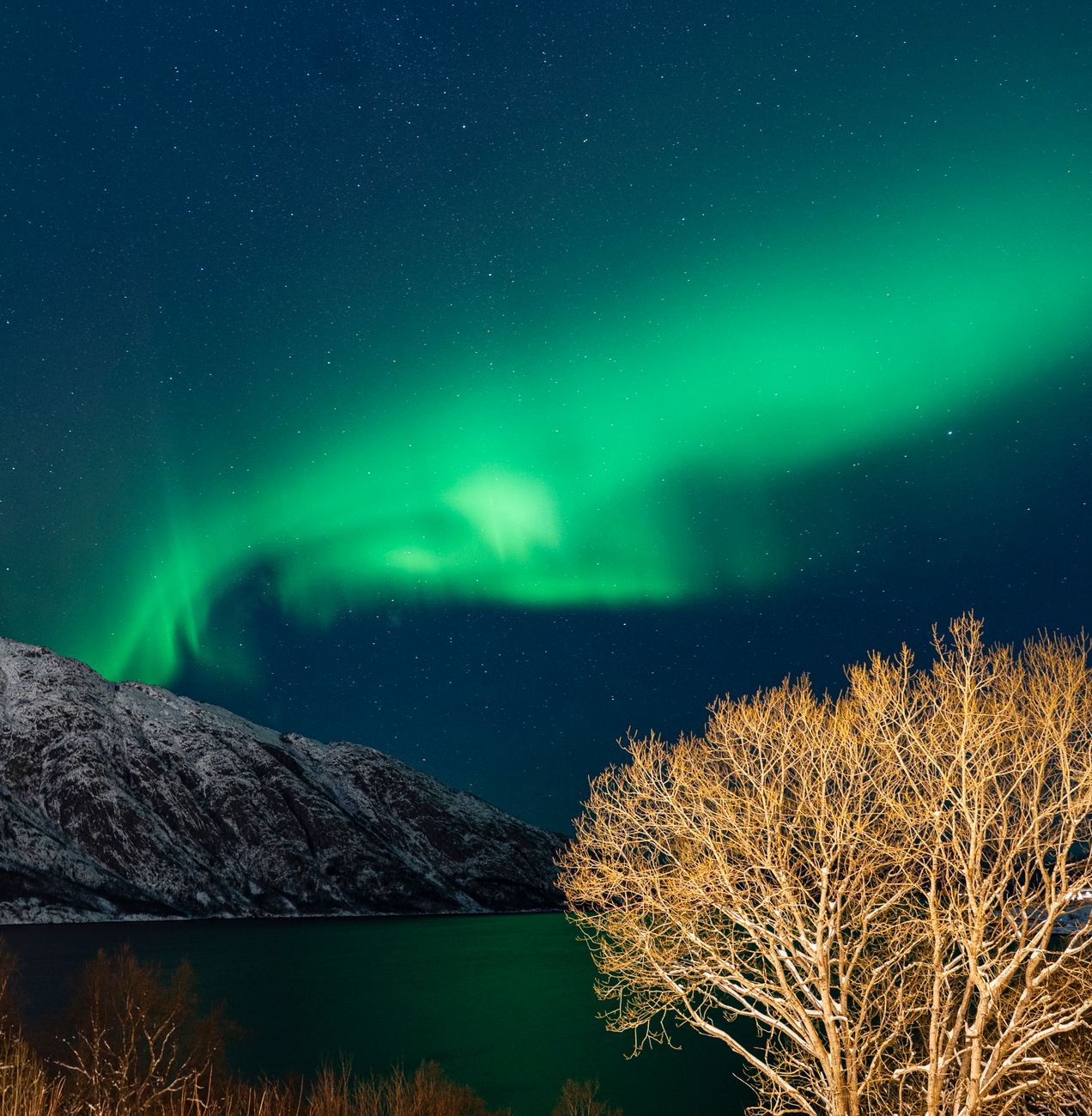
"In the subarctic winter, darkness is not an absence, but an embrace—a canvas against which green auroral bands dance with silent, hypnotic grace."
Finding Stillness in the Polar Night
Between late November and early January, the sun remains just beneath the horizon, creating a perpetual four-hour twilight of soft pastel blues, pinks, and golds. It demands that one slow down. Meals of cured Arctic char, sourdough bread, and warm cloudberry compote are prepared unhurriedly over small wood fires.
- Travel in February to balance both polar light shows and increasing daylight hours.
- Favor localized coastal ferries over rapid flights to appreciate maritime distances.
- Respect the fragile tundra flora by sticking strictly to marked snowshoe tracks.
As we prepared to depart, the quiet rhythm of the archipelago had imprinted itself within us. We left not with exhausted memories of crowded tourist overlooks, but with a deepened gratitude for silence and cold northern air.
Plan Your High-Latitude Journey
Let our editorial concierge assemble a private winter or summer route through the Scandinavian fjords.
Inquire with Concierge